Your personal advisor in Italy
Land Registry Reports, Property Information, Legal and Tax Assistance in Italy
  • © White Panda SRLs 0

Land Registry Reports, Property Information, Legal and Tax Assistance in Italy

How to read a cadastral map: a practical guide for owners and investors

16/02/2026   Category:  Land Registry and Property Records

Understanding cadastral plans is essential for any property owner or investor in Italy.

Let's find out together how to read the main information, identify the parcels, and interpret the essential data for your legal security.
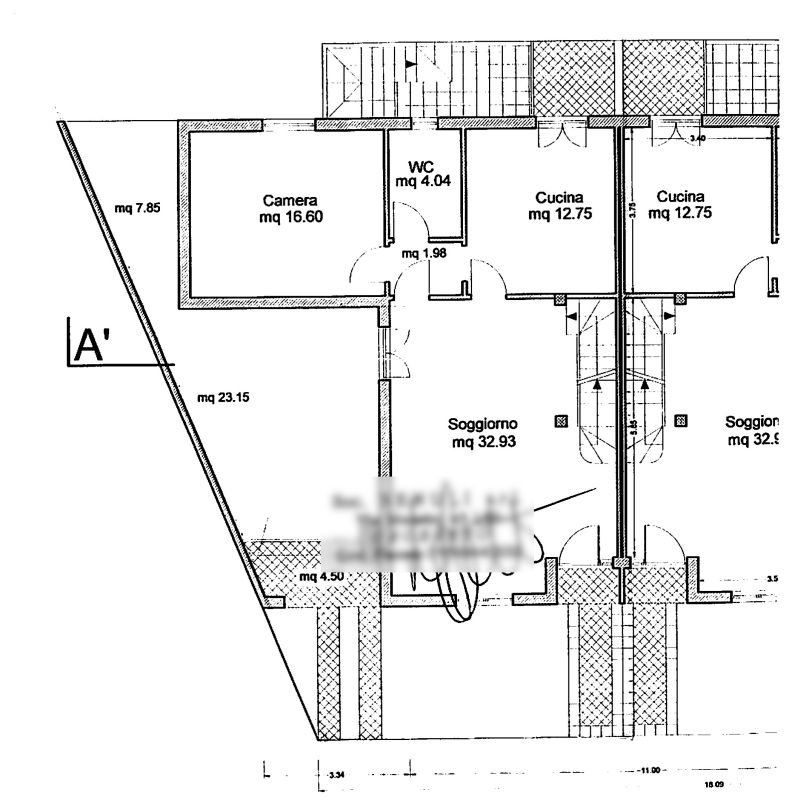
The cadastral plan is an essential tool for anyone who owns or wants to buy a property in Italy. This official document shows the layout of the spaces, the boundaries, and the internal division of the property, helping to avoid errors during sales, inheritances, or renovations.

What is a cadastral plan?

A cadastral plan is a technical drawing registered with the Italian Land Registry that graphically represents the real estate units of a building or land. It provides essential information such as:

  • Property area;
  • Location and boundaries;
  • Intended use (residential, commercial, agricultural, etc.);
  • Number of units and rooms;
  • Any appurtenances and common areas.

Why it is important to read the floor plan correctly

Correctly interpreting a cadastral floor plan is essential for:

  • Verifying that the property corresponds to the seller's declaration;
  • Prevent legal disputes or problems with neighbors;
  • Correctly evaluate a real estate investment;
  • Planning renovations or modifications without incurring building violations.

How to read a floor plan step by step

  1. Identify the boundaries: check the contours of the property and its position in relation to neighboring parcels.
  2. Check the rooms: each room or unit is numbered; make sure that the number of rooms corresponds to what is stated in the deed.
  3. Check the intended use: note the codes that indicate the function of the spaces (e.g., "A/2" for residential).
  4. Examine any appurtenances: garages, cellars, terraces, or gardens must be clearly indicated.
  5. Compare with previous documents: if available, the historical floor plan allows you to see changes or extensions over time.

Useful tools for owners and investors

Today, many cadastral floor plans are available in digital format and can be requested online through dedicated services such as those offered by WP Advisor Italy. It is advisable to consult professionals such as surveyors, architects, or notaries to verify the documentation correctly, especially for prestigious or complex properties.

Conclusion

Reading a cadastral floor plan in Italy is not just a bureaucratic obligation, but a real security tool for owners and investors. Knowing how to interpret the information correctly avoids surprises, protects your investment, and ensures compliance with current regulations.


Privacy Notice: We care about your privacy. For more details on how we handle your personal data, please see our Privacy Policy.

Contact us now!

Contact us now!